What if the most powerful movement for sex workers’ rights didn’t come from politicians or charities-but from the women and gender-diverse people living it every day? Revolting Prostitutes: The Fight for Sex Workers’ Rights isn’t just a book. It’s a manifesto written by two sex workers, Juno Mac and Molly Smith, that flips every myth about prostitution on its head. They don’t ask for pity. They don’t beg for rescue. They demand autonomy. And their arguments are backed by decades of research, firsthand experience, and cold, hard data. This isn’t about moral panic. It’s about survival.
For some, the idea of sex work as labor feels uncomfortable. But look at the numbers: in the UK, tens of thousands of people sell sexual services each year. Some do it full-time. Others as a side hustle to pay rent or put kids through school. One woman in Manchester told researchers she made more in two nights of work than she did in two weeks cleaning offices. And yes, there are risks. But criminalizing sex work doesn’t remove those risks-it hides them, pushes them underground, and makes them deadlier. That’s why the book argues so fiercely for decriminalization, not legalization. Legalization means rules made by people who’ve never done the job. Decriminalization means removing the laws that punish the workers themselves. If you’ve ever wondered what life looks like for an escort girl in uk, this book doesn’t romanticize it-but it refuses to erase it.
Why ‘Rescue’ Doesn’t Work
For decades, governments and NGOs have pushed the idea that sex workers need to be saved. Anti-trafficking campaigns show tearful women being ‘freed’ from brothels. News headlines scream about ‘exploitation.’ But who gets to decide what freedom looks like? Many sex workers say they’re not being rescued-they’re being punished. The Swedish model, which criminalizes clients but not sellers, sounds humane on paper. But in practice, it pushes workers into more dangerous situations. Without clients they can screen, they’re forced to take risks. They lose the ability to negotiate prices, insist on condom use, or work in safer spaces. In Sweden, sex workers reported being more afraid of police than clients. That’s not protection. That’s control dressed up as compassion.
What’s worse? These policies often target the most vulnerable. Migrant workers, trans women, and people of color are disproportionately arrested under these laws. A 2022 study by the London School of Economics found that over 60% of sex workers arrested in the UK were migrants. They’re not trafficked. They’re just trying to survive. And the system treats them like criminals.
Decriminalization Isn’t Permission-It’s Protection
New Zealand decriminalized sex work in 2003. No permits. No registration. No police raids on homes or street corners. Instead, sex work became a regular job under labor law. Workers could form unions. They could report violence without fear of arrest. They could rent apartments without landlords kicking them out. And guess what? Violence from clients dropped. Health outcomes improved. Police started treating sex workers as people, not problems.
The UK could do the same. But instead, the government keeps passing laws that make life harder. The 2021 Online Safety Act tried to ban ‘sexual services’ ads online. But it didn’t stop people from working. It just made it harder to find safe clients. Workers lost their ability to vet people, share tips, or warn each other about dangerous individuals. Now, many are forced back onto the streets-or into hidden, unregulated spaces where no one knows where they are.

Sex Work Is Work-And That’s Not a Controversy
People act like calling sex work ‘labor’ is radical. But think about it: if you clean houses, you’re a cleaner. If you drive people around, you’re a driver. If you sell sexual services, you’re a sex worker. The job doesn’t change because of stigma. The stigma changes because of power. Who gets to decide what’s respectable? Why is a massage therapist respected, but someone who gives the same kind of touch for money is called a ‘whore’?
The book doesn’t say all sex work is safe. It says the conditions around it are what matter. When workers can screen clients, use safe spaces, and report abuse without fear, the job becomes less dangerous. When they’re criminalized, isolated, and stigmatized, the danger multiplies. It’s not about the act. It’s about the system.
Some people say, ‘But what about coercion?’ Of course, coercion exists. But it’s not unique to sex work. It happens in factories, farms, call centers, and homes. We don’t ban all jobs because some people are exploited. We fix the systems that allow abuse. That’s the same solution here.
The Media Gets It Wrong-Again
News outlets love a good ‘hook.’ ‘Glamour girl escort’ sounds sexy. ‘Escort girl in uk’ sounds like a scandal. But these phrases reduce real people to clickbait. Behind every headline about a ‘high-end escort’ is someone trying to pay for medicine, a child’s education, or escape an abusive home. The media doesn’t care about those stories. They care about the fantasy. And that fantasy hurts.
When a tabloid runs a story about a ‘uk glamour girl escort’ making £500 an hour, they’re not showing the truth. They’re showing a fantasy designed to shock, not inform. The reality? Most sex workers earn less than minimum wage after expenses. Many work alone, in their own homes, with no safety net. They don’t have assistants, stylists, or PR teams. They have bills. And they’re trying to pay them.
And then there’s the ‘uk escort girl’ stereotype-the one that shows a woman in heels and a miniskirt, posing for photos. That image isn’t just misleading. It’s dangerous. It makes people assume all sex workers are young, white, and in control. It ignores the trans women of color, the disabled workers, the older women, the single mothers, the ones who work nights because that’s the only time they can be safe.
What Can You Do?
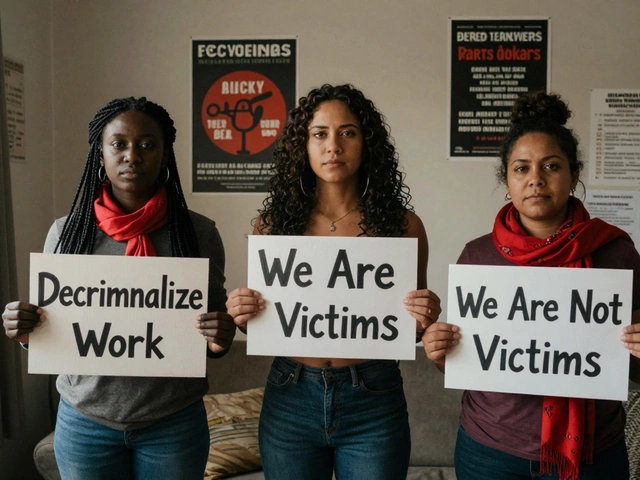
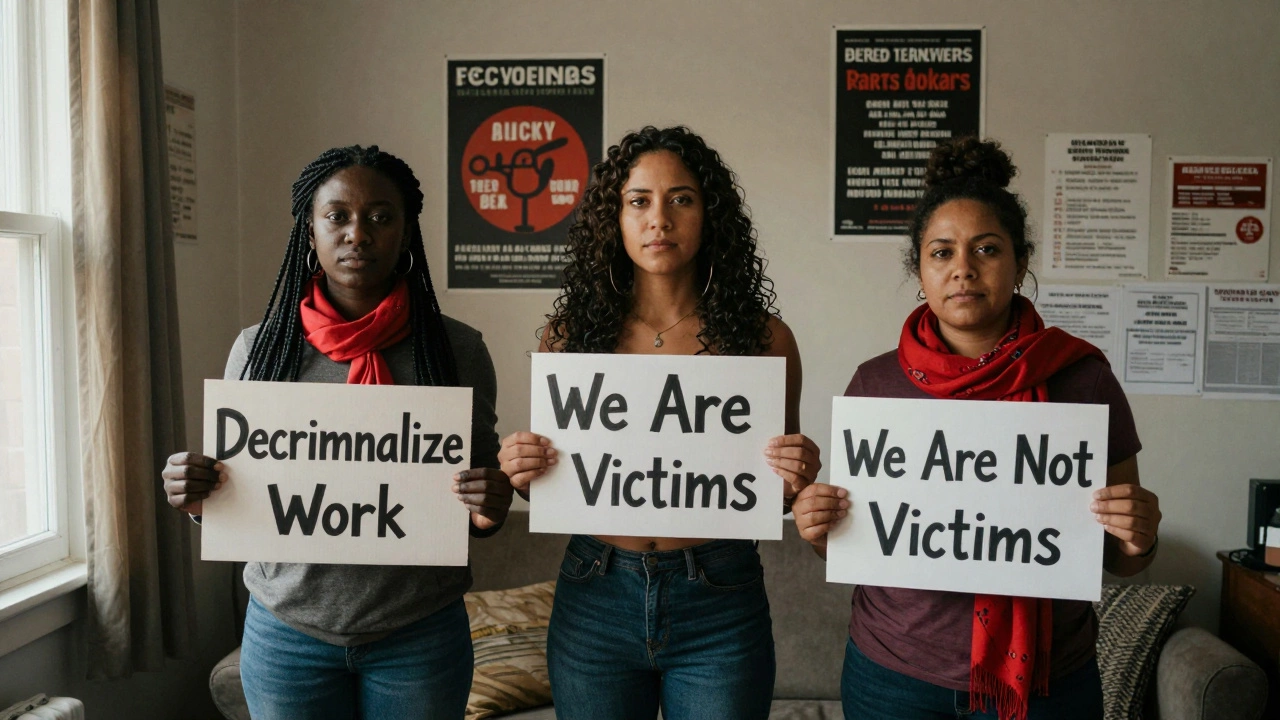
You don’t need to become an activist overnight. But you can start by changing how you think. Don’t assume someone is ‘trapped’ unless they say so. Don’t call sex workers ‘victims’ unless they identify that way. Listen to them. Read their stories. Support organizations led by current and former sex workers-not those run by outsiders claiming to ‘save’ them.
Donate to groups like the English Collective of Prostitutes or the Global Network of Sex Work Projects. These are the organizations that actually listen. They don’t push rescue. They push rights. They fight for housing, healthcare, and legal protection-not for ‘rehabilitation’ that forces people into jobs they don’t want.
And if you’re in the UK, write to your MP. Tell them you support decriminalization. Tell them you believe sex workers deserve the same rights as any other worker. Because that’s not radical. That’s basic.
Final Thought: The Real Revolution
Revolting Prostitutes isn’t about changing minds. It’s about changing power. The revolution isn’t in the streets. It’s in the way we talk. In the way we write. In the way we treat people who do work we don’t understand. The most dangerous thing about sex work isn’t the job. It’s the belief that some lives are less worthy of dignity than others.
Maybe the real question isn’t ‘Why do people do this?’
Maybe it’s ‘Why do we make it so hard for them to do it safely?’